Begin with what is actually around you: light, air, temperature, plants, food, pace, and the feeling of the week.
Free guidesFree guide
24 Solar Terms Seasonal Living Guide
A gentle 7-day introduction to seasonal rhythm, timing, and daily cultivation inspired by the Chinese 24 Solar Terms.
First edition availableFree PDF downloadUNESCO-recognized tradition
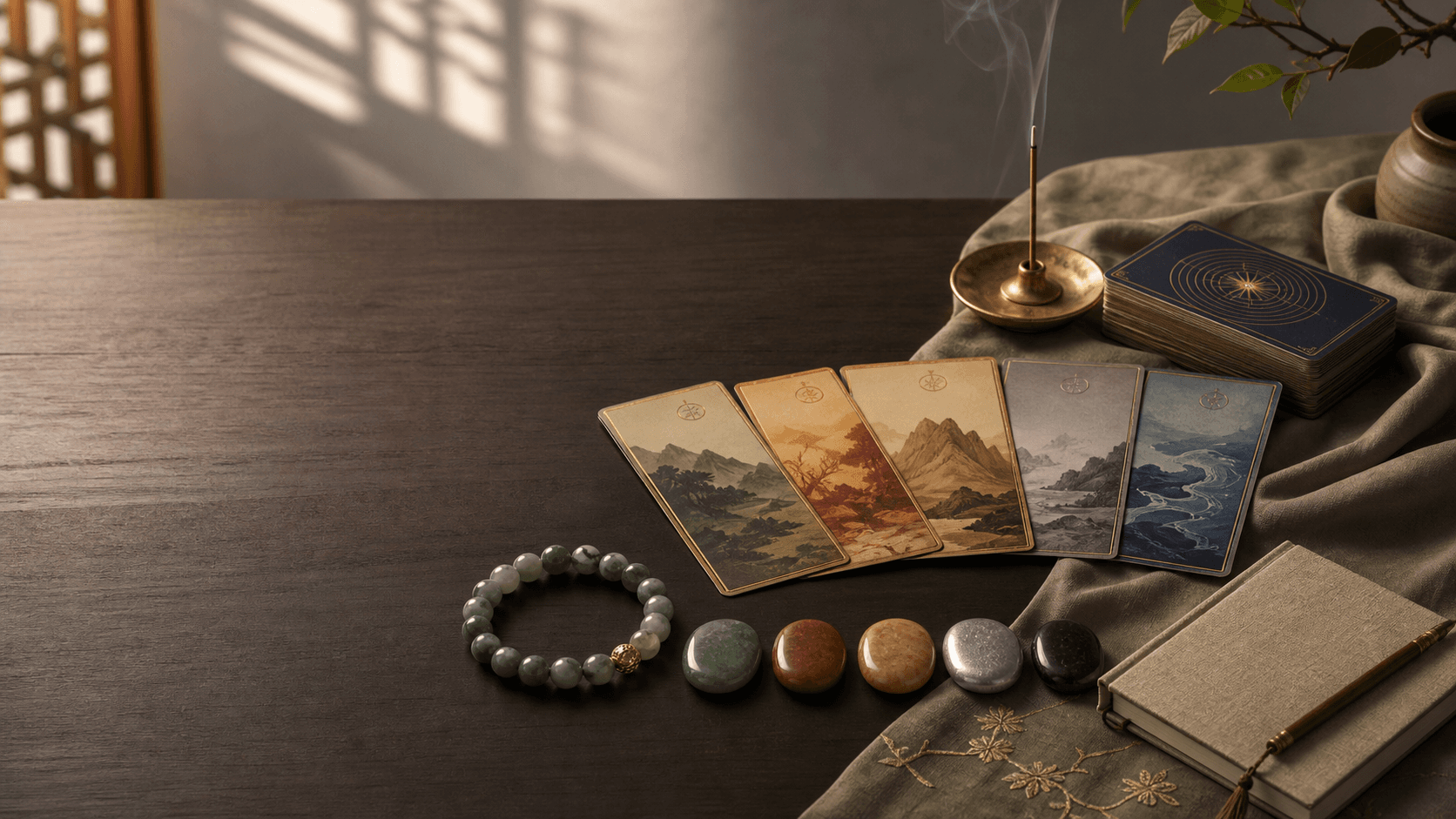
A gentle rhythm for ordinary weeks
This guide turns the 24 Solar Terms into a simple seasonal practice for modern readers. The focus is attention, timing, balance, and daily cultivation rather than strict rules or health claims.
- A plain-English introduction to the 24 Solar Terms and their seasonal rhythm.
- Four seasonal movements: spring, summer, autumn, and winter.
- A compact 24 Solar Terms quick map with approximate dates.
- A 7-day reflection practice for noticing timing, balance, release, and renewal.
One week is enough to begin.
Seasonal living becomes practical when it is small. The guide is built for one week of observation, one adjustment, and one return, rather than a complicated calendar system.
For a longer companion to this free seven-day starter guide, read the complete free 7-page Lidong (Start of Winter) chapter or view Seasonal Living Companion Journal (117-page English PDF, US$6.99). The chapter is a book preview, separate from the starter guide.
Make one gentle shift in schedule, food attention, movement, rest, cleaning, or planning.
Use the rhythm as a calendar of attention, not a rulebook. Small returns matter more than perfect tracking.
Minor Snow (Xiaoxue): A small shift toward winter
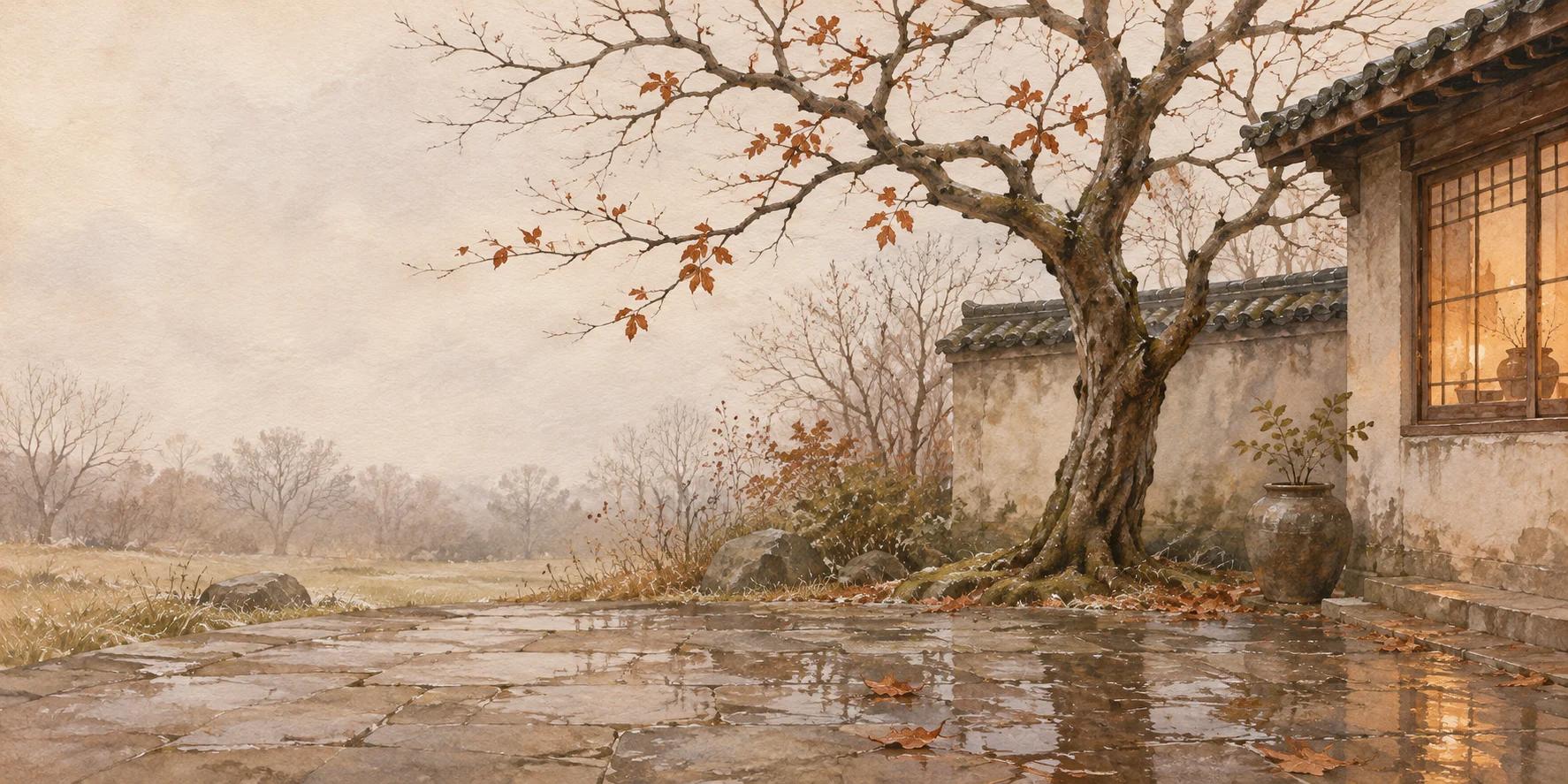
Xiaoxue (小雪), also translated as Light Snow, is the 20th of the 24 Chinese solar terms and the second winter term in the traditional calendar, following Lidong. In 2026, it begins on , according to the Hong Kong Observatory.
Xiaoxue marks a point in the traditional calendar. The weather outside your door may tell a different story. You might be in a mild climate or welcoming longer days in the Southern Hemisphere. Let the term be an invitation to notice where you are.
- Step outside and look closely. Notice the angle of afternoon light, the feel of the air, or whether rain has changed the pavement. A minute at your doorway counts.

- Try a five-minute evening transition. Before cooking, chores, or your usual evening routine, put your phone aside, make a warm drink, and sit without adding another task.

In your journal, ask yourself: What small change in the light, weather, or my evening rhythm have I noticed this week?
Seasonal wisdom makes timing tangible
Understand seasonal living without needing prior knowledge of Chinese culture.
Use the Solar Terms as gentle reflection prompts rather than rigid rules.
Connect daily practice with the site language of timing, balance, and cultivation.
Source path
Keep the tradition and the practice close together.
This guide uses the Solar Terms as cultural timing language. Readers can follow the authoritative heritage reference, then move into the site explanation and a daily practice path.
Reader path
Continue from season into pattern and practice.
Seasonal rhythm is one doorway into the broader Eastern Elements library. It can lead naturally into the Five Elements pattern language and then into simple daily cultivation.
Frequently Asked
Before downloading the PDF
What are the 24 Solar Terms?
The 24 Solar Terms are a traditional Chinese system that divides the solar year into seasonal markers based on changes in the sun, climate, and natural cycles.
Is seasonal living a medical or health plan?
No. This guide is a cultural reflection and daily-practice resource. It does not offer medical treatment, nutrition rules, diagnosis, or guaranteed health outcomes.
Do I need to follow the exact traditional dates?
No. The guide treats the Solar Terms as prompts for noticing timing and change. Readers can adapt the reflections to their local climate, schedule, and season.
How should a beginner start seasonal living?
Begin with one week: notice light, weather, energy, appetite, work pace, and emotional rhythm, then choose one small adjustment rather than trying to redesign your life.
This guide connects the Eastern Wisdom Library to practical daily rhythm: a reader can learn the idea, try a small practice, and then continue into Five Elements, readings, or future seasonal journals.